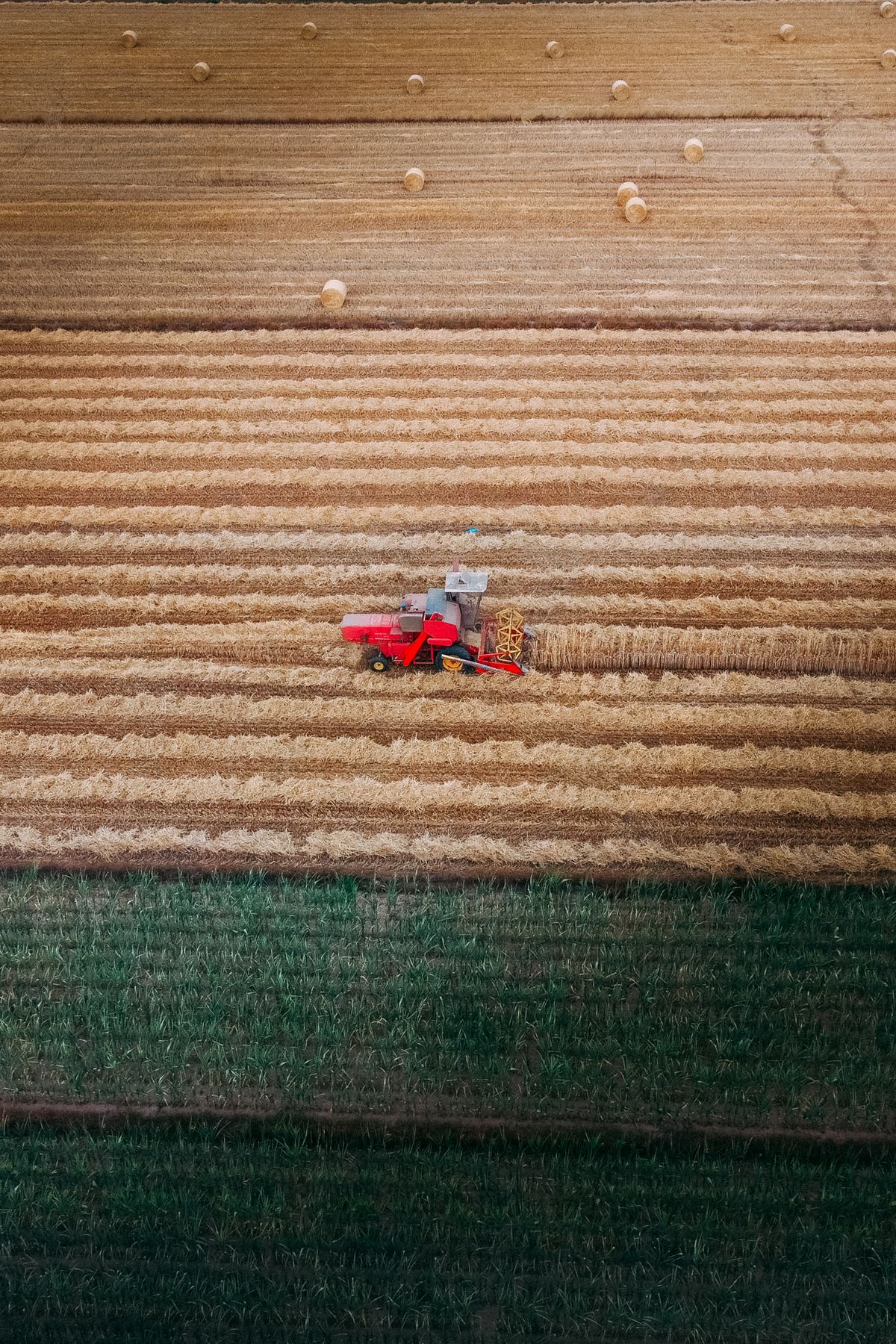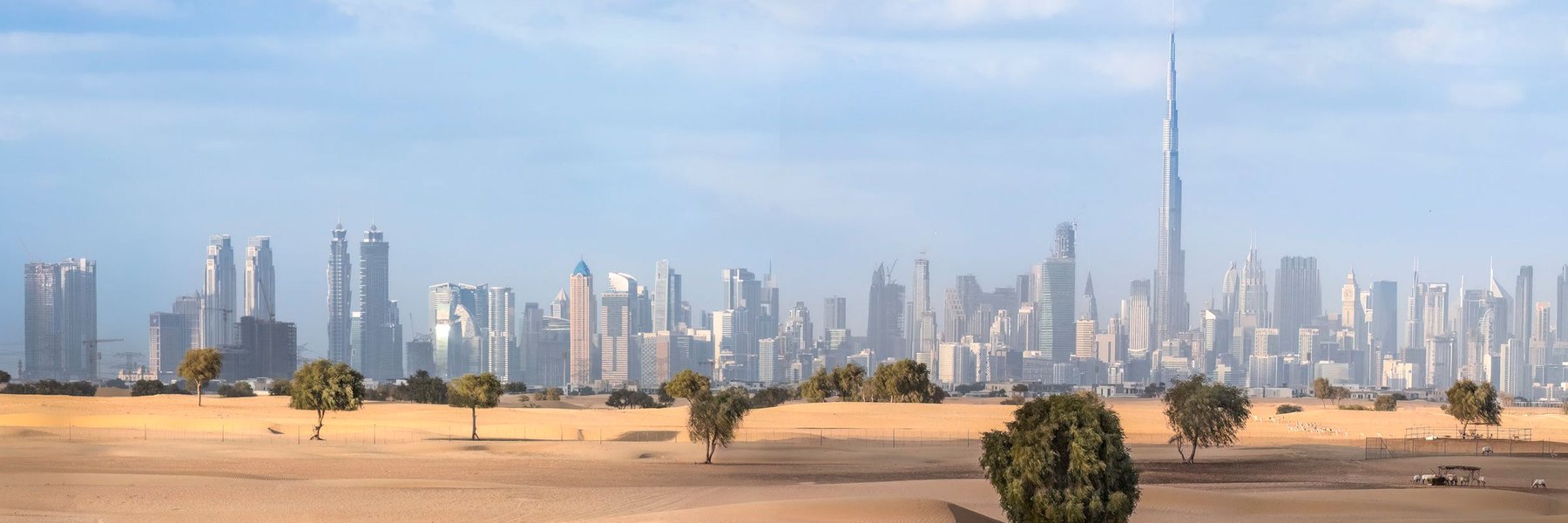
1 · Durable domestic capacity.
How much of the population's protein needs can the country produce at home, and can that production be sustained without exhausting the land, water, fisheries or other biological resources on which it depends?
August 2026
"A population's ability to sustain affordable access to enough protein to meet its nutritional needs, even through disruption to production, trade and critical inputs."
Food security is normally measured in calories. Most countries around the world view calories as an important but largely solved problem. Protein is different. It is the most expensive and most structurally complex part of most diets. It's the part that depends most on a handful of exporters, sea lanes and imported inputs to fill the plates of a nation's people. When supply chains strain, the pressure shows first in protein, before trickling down to prices and then eventually on plates. Calories can be provided by any macronutrient. Protein can't be substituted: it builds our bodies and brains, and nothing else can do that job.
Governments have started treating protein as a matter of national security. But there has been no public-access methodology to assess how each country is placed in its protein sovereignty. This index seeks to change that.
Calories can be grown almost anywhere, but protein production is concentrated. Regions where land, water and feed are cheapest become protein powerhouses. Protein then travels to everyone else through a small number of exporters, ports and sea lanes.
Two countries, Brazil and the United States, grow around 70 per cent of the world's traded soy. One ocean current, running up the coast of Chile and Peru, supplies roughly half of its . Argentina's Pampas grow the grain that feeds much of the world's livestock. The protein on every continent's plates begins in remarkably few places.
This wasn't designed. It evolved, because letting the places with the cheapest land, water and feed produce for everyone else was the fastest way to feed a world whose population has doubled since 1974. Fishmeal crossed the oceans first, then soy. Meat, eggs and milk followed, reaching billions of people who had rarely eaten them. Specialisation delivered abundance - and for decades it worked.
Our current protein architecture was built for efficiency. It delivered affordable protein at planetary scale, feeding a world whose population has doubled since 1974. The flip-side of that coin is that efficiency was prioritised over resilience. Concentration has a cost, which is higher risk. If one hurricane blocks shipping in the Gulf of Mexico and rainfall floods roads in Brazil, protein prices would rise in five continents within a week.
Nearly half of all traded soybeans pass through just two corridors: the Panama Canal and the Strait of Malacca. Add Hormuz, Suez, Bab el-Mandeb and the Bosphorus and most of the feed ingredients that become the world's chicken, pork, farmed fish and milk depend upon six sea lanes that are a few kilometres wide.
In the past five years, we have seen how these risks can manifest: the JBS ransomware attack that halted one of the world's largest meat processors; the avian influenza tearing through poultry flocks; and a war that shut the Black Sea grain corridor. Stockpiles of feed ingredients are kept relatively thin, which means when the flow of ingredients stops for long enough, producers are forced to cull breeding animals and populations can take years to rebuild after trade is restored.
Around 85 per cent of the food eaten in the Gulf states is imported. Roughly 70 per cent of it arrives through a single waterway: the Strait of Hormuz. Conflict has made that strait effectively impassable since March 2026.
The Gulf's answer has been to own food production outside the country instead of buying on the open market. Sovereign wealth funds have acquired land in Sudan, Egypt, Ethiopia and Ukraine to grow food for home. But that only solves half the problem. Supply is available, but still depends on other governments' own export controls. It insulates against market shocks but can't protect against physical barriers like the blocked Strait of Hormuz.
The region has been stress-tested before. When Qatar's neighbours closed its only land border in 2017, Doha airlifted dairy cattle and rebuilt its supply lines within months, a demonstration of what sovereign wealth can buy in a crisis. But wealth buys time. It has not yet bought the region full sovereignty over the strait it depends on.
Protein sovereignty has been a backroom topic for government decision-makers for decades, but we are starting to see it leak out into the public sphere through policy changes. Washington marked food and agriculture as critical national infrastructure in a November 2022 security memorandum. In 2026 it went further, invoking the Defense Production Act, which was written for the Korean War, to secure fertiliser and herbicide supply.
Beijing has written grain self-sufficiency into statute, backed by . China's Food Security Law has held grain harvests above 650 million tonnes, yet the country still grows barely one in every six tonnes of soy it consumes.
In July 2026, Brussels published its Protein Action Plan, the first quantified target for home-grown feed protein. The plan would lift it from a quarter to 35 per cent by 2035, and still leave most of it imported.
Three of the world's largest economies legislating on the same problem within four years may appear to be coordinated, but it's a symptom of fractured players that are each trying to protect themselves against the risks embedded in a system they each helped build.
Every one of those policies seeks to move protein production within sovereign soil, but there's a more difficult question that they don't address: can the world's resource base continue to grow to meet ever-rising demand? Roughly a third of crop calories are grown to feed animals rather than people. The world now farms more seafood than it catches, yet the wild fish that feed those farms are a stock that has already peaked.
Nowhere is this clearer than in : it is the fastest-growing way humans farm protein, and the one most dependent on other protein to do it. Close to 90 per cent of are already fished at or beyond their sustainable limits, and grinding what remains into meal to feed farmed fish only worked while the ocean had slack. That is no longer the case.
That's the ceiling this index tracks separately from capacity: a country consuming its fisheries or freshwater faster than they replenish is only borrowing against tomorrow's supply.
The index scores both problems at once, for every country on earth: six pillars covering domestic capacity, resource headroom, import exposure, upstream dependence, access and affordability, and shock endurance, combined into a single score and tier.
Production alone does not settle it. One nation can farm enormous volumes of protein on imported feed, fertiliser and genetics, only to find all three fail in the same crisis. Another can import most of what it eats, but from suppliers so diversified that no single failure can reach it.
Every score is built the same way: a quantitative core drawn from named public data, a bounded and fully logged judgement layer for what the data misses, and an essay that shows its sources. Forty assessments cover every country on earth. The map below shows which is which. Click any country to see why.
Click any country for more details.
How much of the population's protein needs can the country produce at home, and can that production be sustained without exhausting the land, water, fisheries or other biological resources on which it depends?
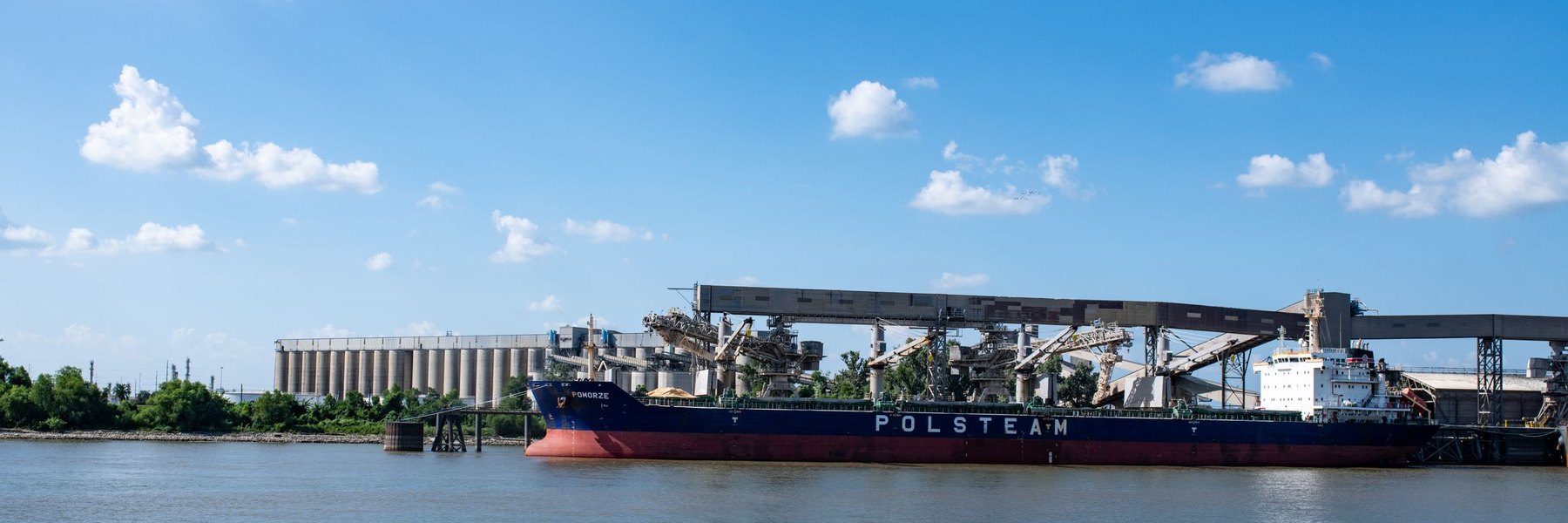
How much land, water, feed and other primary resource does each unit of protein consume, and does the resource base have room left to grow production the country could realistically mobilise?
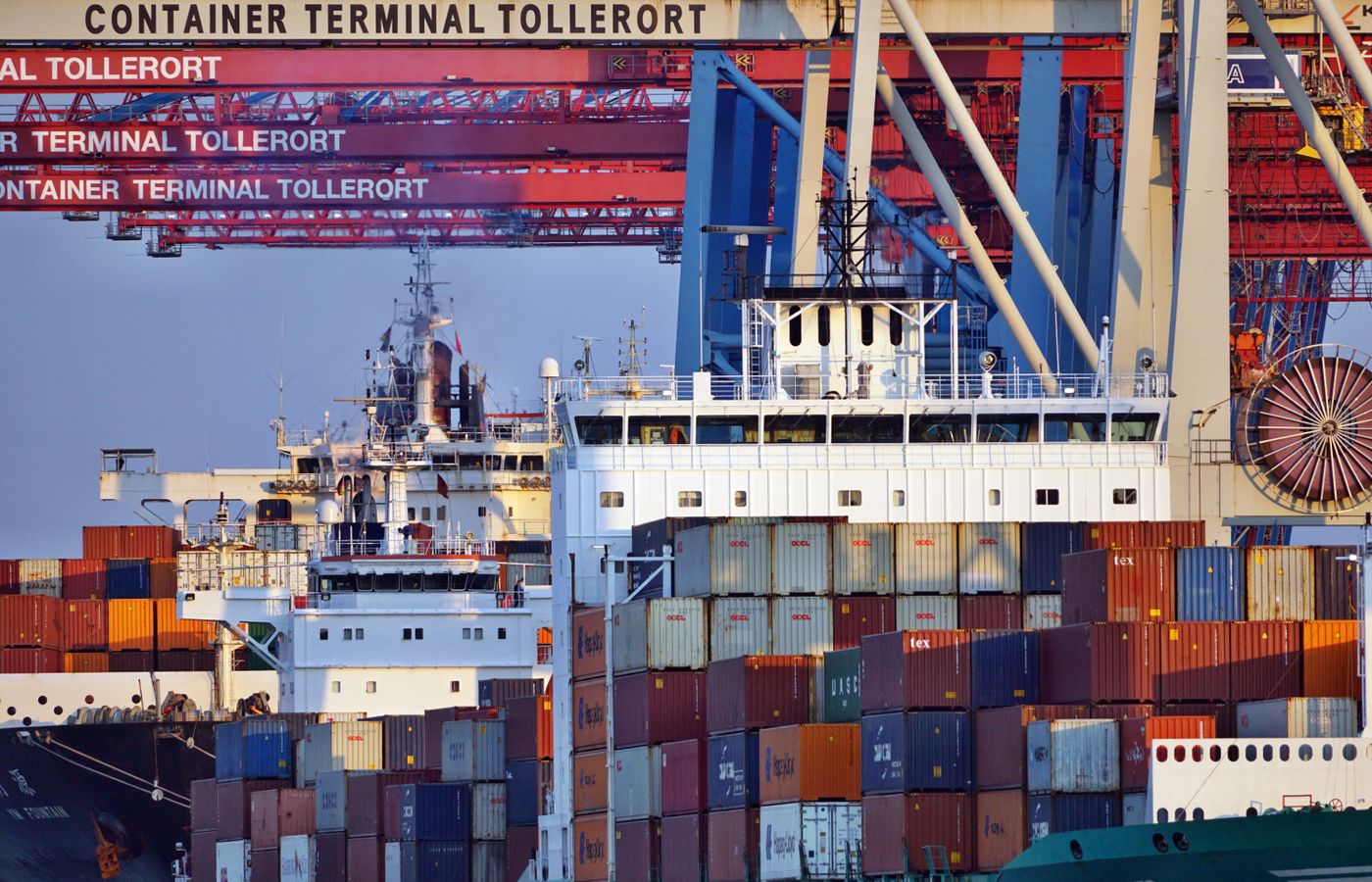
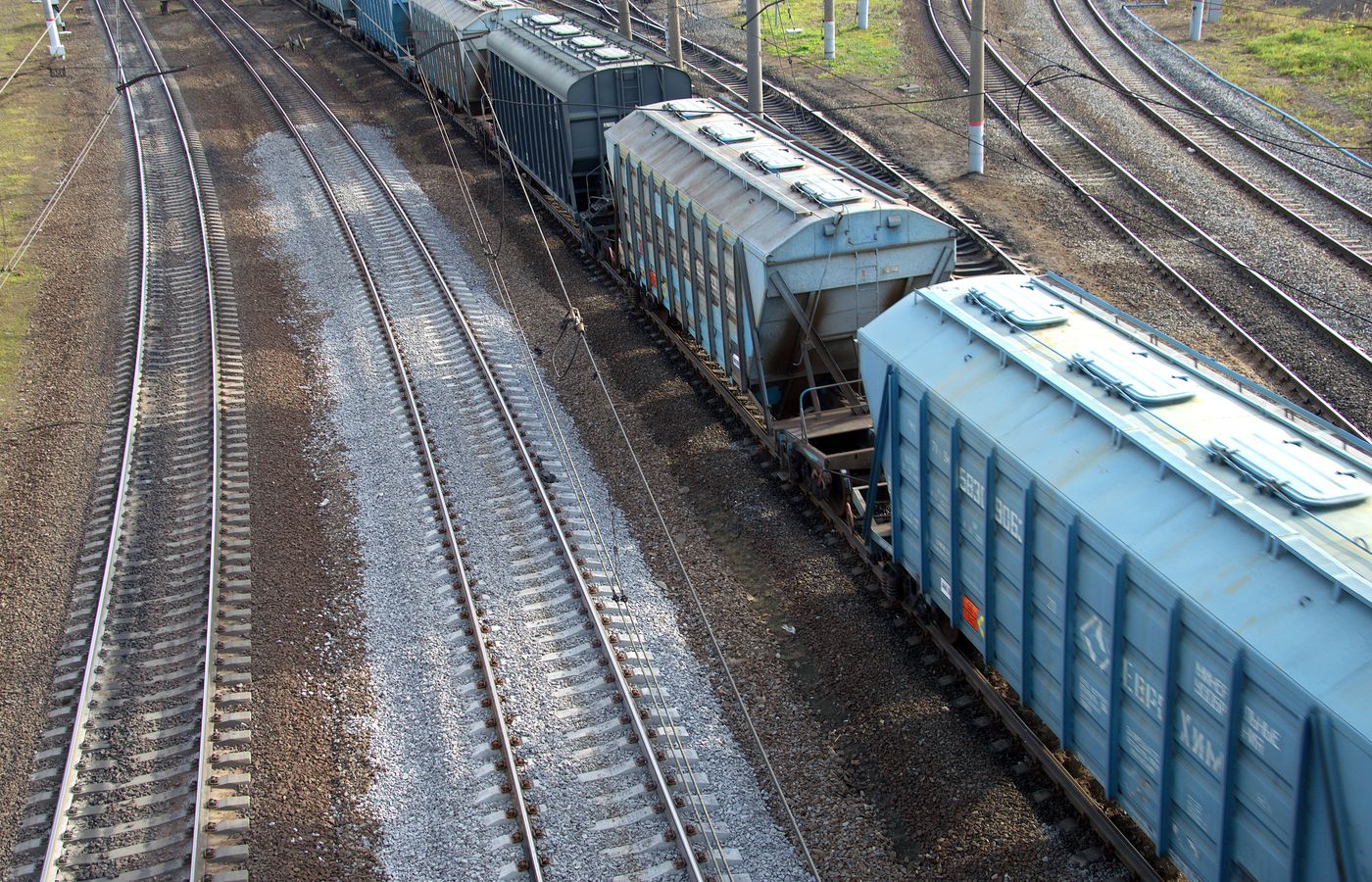
How much protein must be imported, and how concentrated are those flows among particular suppliers, ports and maritime chokepoints?
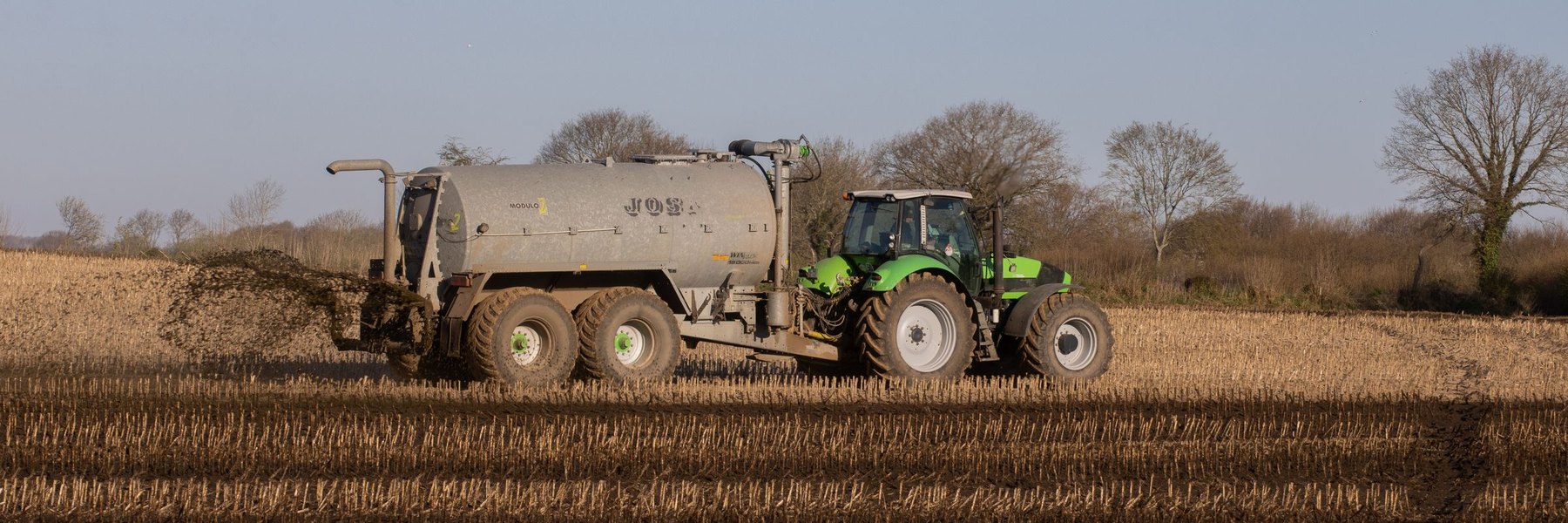
How much of domestic production relies on imported feed, fertiliser, energy, genetics, medicines, equipment or other critical inputs? How concentrated and replaceable are those dependencies?
Does the combination of domestic production and imports provide people across income groups and regions with reliable access to enough nutritionally adequate protein, at prices they can afford and that hold steady?
How long can the system maintain affordable supply when domestic production, critical inputs or trade are disrupted? How readily can it draw on reserves, reroute supply, substitute inputs, adapt and recover?
| Entity | Type | Overall | Tier | Durable | Resource | Import | Upstream | Access | Shock |
|---|---|---|---|---|---|---|---|---|---|
| Canada | country | 82.7 | Sovereign | 90 | 84 | 82 | 76 | 83 | 77 |
| Argentina | country | 78.2 | Resilient | 90 | 85 | 94 | 67 | 64 | 58 |
| United States | country | 77.7 | Resilient | 83 | 70 | 84 | 66 | 82 | 73 |
| Australia | country | 75.3 | Resilient | 88 | 73 | 85 | 43 | 84 | 66 |
| Brazil | country | 75.1 | Resilient | 88 | 81 | 83 | 48 | 69 | 72 |
| Russia | country | 75.0 | Resilient | 82 | 78 | 81 | 65 | 67 | 71 |
| Norway | country | 71.2 | Resilient | 75 | 60 | 70 | 47 | 91 | 78 |
| European Union | bloc | 70.1 | Resilient | 76 | 58 | 74 | 49 | 76 | 78 |
| Ukraine | country | 65.0 | Resilient | 72 | 61 | 80 | 48 | 50 | 68 |
| Thailand | country | 64.7 | Exposed | 73 | 47 | 73 | 36 | 72 | 73 |
| India | country | 62.6 | Exposed | 71 | 45 | 78 | 40 | 51 | 74 |
| United Kingdom | country | 62.1 | Exposed | 66 | 48 | 66 | 40 | 84 | 60 |
| Turkey | country | 62.0 | Exposed | 67 | 50 | 67 | 41 | 80 | 58 |
| Chile | country | 61.9 | Exposed | 67 | 52 | 67 | 52 | 58 | 67 |
| Rest of Europe | region | 61.6 | Exposed | 56 | 62 | 62 | 51 | 77 | 65 |
| South Africa | country | 61.5 | Exposed | 68 | 58 | 71 | 64 | 38 | 61 |
| Vietnam | country | 61.1 | Exposed | 70 | 50 | 66 | 37 | 76 | 56 |
| Peru | country | 59.6 | Exposed | 65 | 56 | 68 | 42 | 58 | 61 |
| China | country | 59.2 | Exposed | 70 | 38 | 40 | 52 | 75 | 72 |
| Central Asia & Caucasus | region | 58.8 | Exposed | 64 | 35 | 50 | 62 | 73 | 60 |
| Oceania & Pacific (excl. Australia) | region | 57.5 | Exposed | 65 | 59 | 61 | 52 | 39 | 63 |
| Indonesia | country | 54.6 | Exposed | 65 | 57 | 65 | 38 | 27 | 66 |
| South America (other) | region | 54.2 | Exposed | 56 | 68 | 61 | 40 | 52 | 49 |
| Southeast Asia (excl. Indonesia, Vietnam & Thailand) | region | 49.7 | Dependent | 50 | 46 | 57 | 43 | 53 | 45 |
| Mexico | country | 47.4 | Dependent | 54 | 38 | 32 | 32 | 69 | 57 |
| Japan | country | 46.4 | Dependent | 35 | 40 | 40 | 30 | 66 | 75 |
| South Korea | country | 45.1 | Dependent | 41 | 33 | 36 | 22 | 75 | 65 |
| Egypt | country | 44.6 | Dependent | 43 | 33 | 37 | 41 | 50 | 63 |
| Southern Africa (excl. South Africa) | region | 44.2 | Dependent | 48 | 55 | 50 | 54 | 18 | 39 |
| North Africa (excl. Egypt) | region | 44.0 | Dependent | 34 | 39 | 35 | 46 | 60 | 58 |
| West Africa (excl. Nigeria) | region | 43.8 | Dependent | 42 | 47 | 43 | 53 | 37 | 43 |
| Nigeria | country | 43.5 | Dependent | 42 | 49 | 52 | 55 | 18 | 45 |
| South Asia (excl. India) | region | 42.3 | Dependent | 56 | 34 | 47 | 26 | 38 | 39 |
| Ethiopia | country | 41.1 | Dependent | 50 | 35 | 55 | 45 | 19 | 30 |
| Central Africa | region | 41.0 | Dependent | 40 | 56 | 51 | 53 | 17 | 31 |
| Central America & Caribbean | region | 40.1 | Dependent | 44 | 45 | 36 | 29 | 48 | 39 |
| East Africa & Horn (excl. Ethiopia) | region | 39.3 | Critically exposed | 43 | 51 | 51 | 41 | 17 | 30 |
| Gulf Cooperation Council | bloc | 35.8 | Critically exposed | 22 | 15 | 15 | 38 | 64 | 70 |
| Northeast Asia (other) | region | 33.1 | Critically exposed | 31 | 27 | 23 | 27 | 50 | 43 |
| Middle East (non-GCC) | region | 29.8 | Critically exposed | 28 | 20 | 25 | 26 | 50 | 29 |
Felix Collins, Alex Aldridge · Full Circle Biotech