Assessments
| # | Assessment | Score | Tier | Capacity | Headroom | Imports | Upstream | Access | Endurance |
|---|---|---|---|---|---|---|---|---|---|
| 1 | CanadaCanada's large food-producing base and world-leading potash industry make it the only country in the index rated Sovereign. | 82.8 | Sovereign | 90 | 84 | 82 | 76 | 83 | 78 |
| 2 | ArgentinaArgentina produces a large protein surplus, though imported fertiliser and a fragile currency leave its farms and households open to shocks. | 79.3 | Resilient | 90 | 85 | 94 | 67 | 64 | 66 |
| 3 | United StatesThe United States has broad domestic protein output, with two concentration risks: phosphorus supply and cattle processing. | 78.3 | Resilient | 83 | 70 | 84 | 66 | 82 | 77 |
| 4 | AustraliaAustralia's farms produce far more food than the country consumes, but they run on imported fuel, fertiliser and crop chemicals. | 75.7 | Resilient | 88 | 73 | 85 | 43 | 84 | 69 |
| 5 | RussiaRussia has a large grain and meat surplus, though its livestock still rely on imported feed additives and veterinary products. | 75.4 | Resilient | 82 | 78 | 81 | 65 | 67 | 74 |
| 6 | BrazilBrazil's home-grown crops and feed support record protein exports, but its farms rely on imported fertiliser. | 75.3 | Resilient | 88 | 81 | 83 | 48 | 69 | 74 |
| 7 | New ZealandNew Zealand produces more than twice the protein its people eat, but its farms run on imported fuel and fertiliser. | 72.1 | Resilient | 85 | 60 | 79 | 44 | 78 | 72 |
| 7 | UruguayUruguay has a large surplus of beef, milk and rice and deep grain stocks, though it imports all its fertiliser and most of its pork. | 72.1 | Resilient | 84 | 76 | 78 | 47 | 60 | 79 |
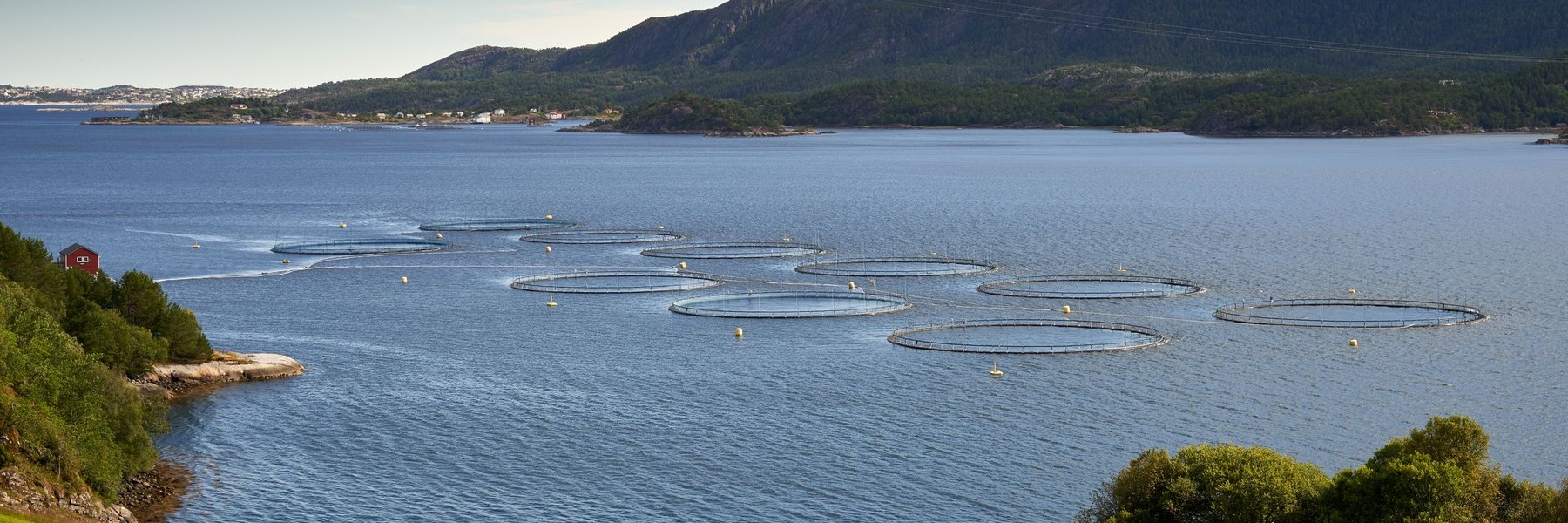
| 9 | NorwayNorway has plentiful seafood and affordable food, though its livestock and salmon farms rely on imported feed. | 71.7 | Resilient | 75 | 60 | 70 | 47 | 91 | 82 |
| 10 | European UnionThe EU produces more meat and dairy than it consumes, but its livestock depend heavily on imported feed, and access to healthy diets varies sharply between member states. | 70.2 | Resilient | 76 | 58 | 74 | 49 | 76 | 79 |
| 11 | UkraineUkraine's large grain surpluses have held up through the war, but mined farmland, imported fuel and attacks on export routes leave it little margin. | 65.3 | Resilient | 72 | 61 | 80 | 48 | 50 | 70 |
| 12 | ThailandThailand exports rice and chicken, but its livestock feed depends heavily on imported soy. | 64.1 | Exposed | 73 | 47 | 73 | 36 | 72 | 69 |
| 13 | TurkeyTurkey imports most of its animal-feed ingredients, and the weak lira makes them costlier. | 63.0 | Exposed | 67 | 50 | 67 | 41 | 80 | 65 |
| 14 | United KingdomThe United Kingdom's livestock farms rely on imported feed and fertiliser, even though they supply much of its animal protein. | 62.8 | Exposed | 66 | 48 | 66 | 40 | 84 | 65 |
| 15 | ChileChile's seafood exports are a source of strength, but its farms rely on feed imported from a few suppliers. | 62.5 | Exposed | 67 | 52 | 67 | 52 | 58 | 71 |
| 16 | Rest of EuropeMany countries in the rest of Europe rely on imported food and farm inputs, though others hold surpluses and reserves. | 62.4 | Exposed | 56 | 62 | 62 | 51 | 77 | 71 |
| 17 | IndiaIndia produces abundant protein at home, but its farms rely on imported fertiliser and its groundwater is running down. | 62.1 | Exposed | 71 | 45 | 78 | 40 | 51 | 71 |
| 18 | South AfricaSouth Africa's protein surplus has not secured access to food, and drought and household hardship weigh on both supply and diets. | 61.4 | Exposed | 68 | 58 | 71 | 64 | 38 | 61 |
| 19 | VietnamVietnam exports seafood and has ample protein supply, but most of its feed ingredients arrive from abroad. | 61.3 | Exposed | 70 | 44 | 66 | 37 | 76 | 62 |
| 20 | PeruPeru's large poultry sector relies on imported feed, and many people cannot afford a healthy diet. | 60.0 | Exposed | 65 | 56 | 68 | 42 | 58 | 64 |
| 21 | ChinaChina's huge pork industry depends on soy feed imported by sea. | 59.7 | Exposed | 70 | 38 | 40 | 52 | 75 | 76 |
| 22 | Central Asia & CaucasusCentral Asia & Caucasus grows more wheat and nitrogen fertiliser than it uses, but water is scarce across much of the region. | 59.6 | Exposed | 64 | 35 | 50 | 62 | 73 | 66 |
| 23 | MongoliaMongolia's grazing herds give it more animal protein per person than any country except Iceland, but a hard winter can kill one animal in seven and its wheat, fuel and fertiliser come from Russia. | 57.5 | Exposed | 65 | 48 | 55 | 55 | 56 | 59 |
| 24 | IndonesiaIndonesia produces most of its protein at home, but its poultry relies on imported soy and many households cannot afford a healthy diet. | 54.5 | Exposed | 65 | 56 | 65 | 38 | 27 | 66 |
| 25 | South America (other)South America has abundant land and water, but imported fertiliser and feed and uneven access to food weaken its position. | 54.0 | Exposed | 55 | 68 | 60 | 40 | 52 | 51 |
| 26 | Oceania & Pacific (excl. Australia & New Zealand)Food and fuel reach the Pacific island states and Papua New Guinea on long, thin shipping routes, and many people cannot afford enough to eat. | 51.8 | Exposed | 55 | 57 | 56 | 57 | 28 | 56 |
| 27 | Southeast Asia (excl. Indonesia, Vietnam & Thailand)Southeast Asia relies on imported livestock feed, and several of its large markets also rely on foreign rice. | 49.9 | Dependent | 50 | 46 | 57 | 43 | 53 | 47 |
| 28 | MexicoMexico's farms supply most of its meat, eggs and milk, but they rely on feed imported from the United States. | 47.7 | Dependent | 54 | 38 | 32 | 28 | 69 | 63 |
| 29 | South KoreaSouth Korea's livestock and farmed fish rely on feed ingredients shipped from abroad, despite strong rice production. | 45.7 | Dependent | 41 | 32 | 36 | 22 | 75 | 70 |
| 30 | JapanJapan produces most of its eggs, but its livestock farms rely on imported feed and its crops on imported fertiliser. | 45.6 | Dependent | 35 | 40 | 40 | 30 | 66 | 70 |
| 31 | EgyptEgypt has too little farmland and water to feed itself, so it must import much of its food, and many households cannot afford a healthy diet. | 45.0 | Dependent | 43 | 33 | 37 | 41 | 50 | 66 |
| 32 | North Africa (excl. Egypt)North Africa imports much of its wheat, despite Morocco's phosphate reserves and Algeria's grain stocks. | 44.9 | Dependent | 34 | 39 | 35 | 46 | 60 | 64 |
| 33 | West Africa (excl. Nigeria)Depleted coastal fisheries are shrinking an important source of animal protein in West Africa, and healthy diets remain unaffordable for many. | 44.2 | Dependent | 42 | 47 | 43 | 53 | 37 | 46 |
| 34 | Southern Africa (excl. South Africa)Southern Africa produces most of its protein locally, but supply per person is low and drought can sharply cut harvests. | 44.1 | Dependent | 48 | 55 | 50 | 54 | 18 | 39 |
| 35 | NigeriaNigeria has a large farming base, but protein supply per person is falling and most households cannot afford a healthy diet. | 43.3 | Dependent | 42 | 49 | 52 | 55 | 18 | 44 |
| 36 | South Asia (excl. India)South Asia's farms rely on imported inputs and scarce water, and many households struggle to afford a healthy diet. | 42.5 | Dependent | 56 | 34 | 47 | 26 | 38 | 41 |
| 37 | EthiopiaEthiopia has enough protein nationally, but animal protein is scarce and most people cannot afford a healthy diet. | 42.0 | Dependent | 50 | 35 | 55 | 45 | 19 | 36 |
| 38 | Central AfricaProtein supply across Central Africa is low, healthy diets are out of reach for most people, and poor infrastructure keeps farms from using the region's land and water. | 41.1 | Dependent | 40 | 56 | 51 | 53 | 17 | 32 |
| 39 | Central America & CaribbeanCentral America and the Caribbean rely on feed imported from a narrow set of suppliers, despite a base of locally grown mainland staples. | 40.8 | Dependent | 44 | 45 | 36 | 29 | 48 | 44 |
| 40 | TaiwanTaiwan raises most of its own pork, chicken and eggs, but the maize and soybeans that feed them come by ship, and feed mills keep only one to two months in stock. | 40.4 | Dependent | 27 | 31 | 24 | 24 | 83 | 65 |
| 41 | East Africa & Horn (excl. Ethiopia)East Africa & the Horn produces much of its own protein, but conflict and poverty keep much of that food from the people who need it. | 39.2 | Critically exposed | 43 | 51 | 51 | 41 | 17 | 30 |
| 42 | Gulf Cooperation CouncilThe Gulf has little land or fresh water for farming and imports most of its food and animal feed; its wealth buys time but not a secure supply. | 36.5 | Critically exposed | 22 | 15 | 15 | 38 | 64 | 75 |
| 43 | Middle East (non-GCC)Water stress, conflict and unaffordable food outweigh the Middle East's pockets of strong harvests and grain reserves. | 30.5 | Critically exposed | 28 | 20 | 25 | 26 | 50 | 34 |
No country or region matches that search.
Every score is free to use under CC BY 4.0. Download the scores as CSV or JSON.